
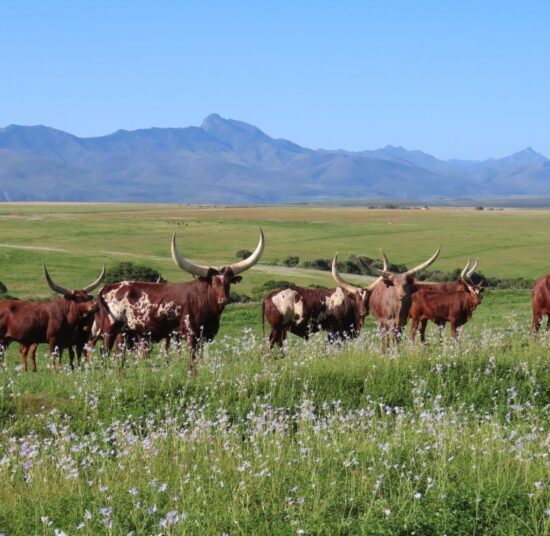
Ankole cattle are a distinctive and highly valued African cattle breed recognized for their exceptional adaptability, hardiness, impressive horns, heat tolerance, and ability to thrive in challenging environments. Originating in the Great Lakes region of East and Central Africa, Ankole cattle have been traditionally raised for generations and are well adapted to tropical and semi-arid production systems.
Often recognized by their striking long, widely spread horns and varied coat colors, Ankole cattle combine unique physical characteristics with valuable production and survival traits. Their natural resilience, efficient grazing ability, and tolerance of heat and limited feed resources make them particularly suitable for extensive and sustainable livestock farming.
Our Ankole cattle are managed with responsible breeding, appropriate nutrition, veterinary care, and good livestock practices to support healthy development, reproductive performance, animal welfare, and long-term herd productivity.
Key Attributes of Ankole Cattle
- Exceptional Hardiness: Ankole cattle are naturally resilient and capable of adapting to challenging environmental conditions.
- Heat Tolerance: Their African heritage makes them well suited to hot climates when provided with appropriate water, nutrition, and management.
- Environmental Adaptability: They can perform in a variety of tropical and semi-arid environments.
- Efficient Grazing: Ankole cattle are capable of utilizing available pasture and forage resources efficiently.
- Strong Disease & Parasite Resilience: Their natural adaptation can provide advantages in environments where parasites and livestock diseases are common challenges.
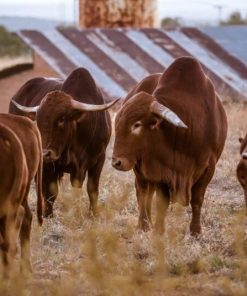
- Distinctive Horns: Their large, characteristic horns are one of the breed’s most recognizable features and have cultural and practical significance.
- Strong Maternal Traits: Ankole cows are valued for their maternal instincts and ability to raise calves under extensive production conditions.
- Reproductive Ability: Properly managed animals can contribute to productive and sustainable breeding herds.
- Low-Input Potential: Their natural hardiness makes them suitable for production systems where feed and other resources may be limited.
- Long-Term Resilience: Ankole cattle are valued for their ability to remain productive in demanding environments.
Ankole Beef & Meat Quality
Ankole cattle can provide quality beef when animals are appropriately bred, nourished, handled, and processed. Their natural adaptation to extensive grazing systems makes them particularly suitable for farmers interested in resilient beef production.
Ankole beef is generally associated with lean meat characteristics, while final meat quality depends on genetics, nutrition, age, finishing system, handling, slaughter practices, processing, and appropriate meat aging.
Key beef-production attributes include:
- Lean beef potential
- Good grazing efficiency
- Strong natural resilience
- Suitable carcass potential
- Adaptability to extensive production
- Good flavor potential under appropriate production and processing
- Suitability for traditional and commercial beef markets
Proper nutrition and finishing practices can help producers achieve desirable tenderness, flavor, juiciness, and carcass characteristics.
Ankole Cattle for Beef Production
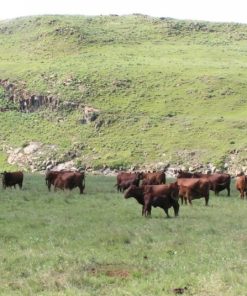
Ankole cattle are suitable for beef production, particularly in extensive and pasture-based systems. Their ability to survive and perform under warm and sometimes resource-limited conditions makes them valuable to farmers seeking cattle that can adapt to local environments.
With proper pasture management, adequate water, mineral supplementation where necessary, and appropriate veterinary care, Ankole cattle can contribute to sustainable beef production while making efficient use of available natural resources.
Ankole Cows for Breeding
Ankole cows can serve as valuable breeding animals, particularly in environments where adaptability and maternal performance are important. Their natural resilience and ability to utilize available forage can support productive cow-calf systems.
A responsible breeding program should consider fertility, calving performance, maternal ability, structural soundness, calf growth, temperament, horn characteristics, and overall herd health.
Ankole Bulls
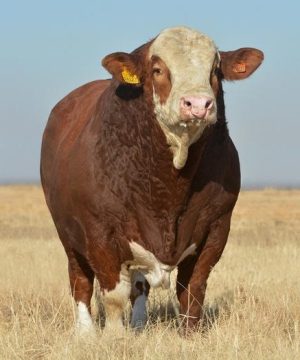
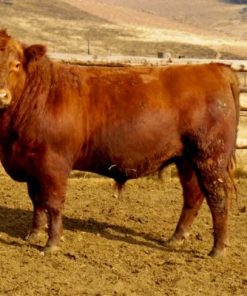
Ankole bulls can provide valuable genetics for both purebred breeding and crossbreeding programs. Healthy and structurally sound bulls can contribute desirable traits such as environmental adaptability, hardiness, heat tolerance, and resilience to commercial herds.
Crossbreeding Ankole cattle with other beef breeds may allow farmers to combine local adaptability with improved growth, muscling, carcass quality, or other production traits.
Adaptability to Tropical & Semi-Arid Environments
One of the major strengths of Ankole cattle is their ability to perform in hot, tropical, and semi-arid environments. Their long history of adaptation to African conditions has made them particularly resilient to heat and variable forage availability.
However, even hardy cattle require responsible management. Adequate water, suitable pasture, mineral nutrition, parasite control, veterinary care, and protection from extreme environmental conditions can help maximize their health and productivity.
Quality Nutrition & Farm Management
Ankole cattle are naturally efficient and adaptable, but proper nutrition remains important for healthy growth, reproduction, and productivity.
A suitable feeding program should provide access to quality pasture or forage, clean drinking water, and essential minerals. During periods of drought or limited forage availability, supplementary feeding may help maintain body condition and reproductive performance.
Management should be adjusted according to the animal’s age, production stage, body condition, environmental conditions, and farming objectives.
Health & Animal Welfare
Responsible animal care is essential to maintaining a healthy Ankole herd. Regular health monitoring, appropriate vaccination programs, parasite control, veterinary attention, proper hygiene, and careful handling help support animal welfare and productive performance.
Providing adequate grazing space, clean water, nutritious feed, shade or shelter where necessary, and safe handling facilities contributes to the overall health and well-being of the animals.
Uses of Ankole Cattle
Ankole cattle are suitable for a variety of agricultural and livestock applications, including:
- Beef production
- Breeding and herd development
- Crossbreeding programs
- Cattle ranching
- Pasture-based farming
- Tropical livestock production
- Semi-arid cattle farming
- Traditional livestock systems
- Genetic conservation
- Climate-resilient livestock production
- Cultural and heritage livestock programs
- Sustainable low-input farming
Why Choose Ankole Cattle?
Ankole cattle offer a valuable combination of hardiness, heat tolerance, environmental adaptability, efficient grazing, maternal ability, reproductive potential, and beef-production capability.
Their natural resilience makes them particularly suitable for farmers operating in warm and challenging environments. They can also contribute valuable adaptive genetics to crossbreeding programs, helping commercial herds improve their ability to perform under local environmental conditions.
Beyond their agricultural value, Ankole cattle are also culturally significant in parts of East and Central Africa. Their distinctive appearance and impressive horns make them an important heritage breed worthy of responsible conservation and management.
Our Commitment
We are committed to providing healthy, well-managed Ankole cattle for farmers, ranchers, breeders, and livestock businesses. Through responsible breeding, quality nutrition, preventive healthcare, and sustainable animal management, we aim to support productive herds while preserving the valuable characteristics of this distinctive African cattle breed.
Whether you are establishing a breeding herd, expanding a ranching operation, developing a sustainable beef enterprise, or seeking resilient genetics for crossbreeding, Ankole cattle offer a unique combination of adaptability, hardiness, cultural heritage, and livestock-production potential.
African Heritage. Exceptional Hardiness. Natural Adaptability. Sustainable Cattle Production.


Reviews
There are no reviews yet.