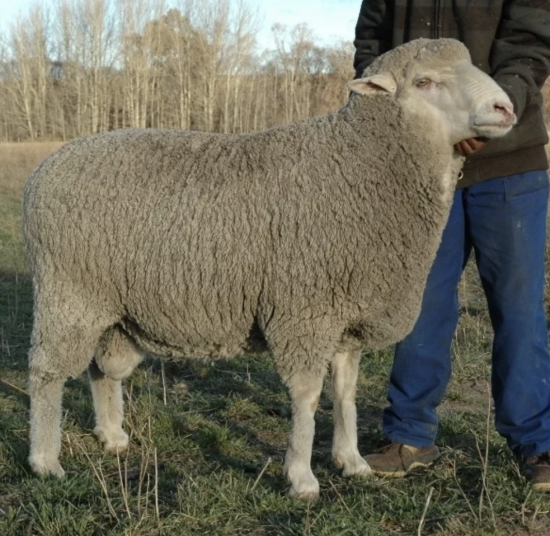
Are you searching for Merino sheep for sale in South Africa? Merino sheep are well known for producing high-quality wool and are an important choice for farmers interested in wool production and sheep breeding. Whether you are starting a new flock or expanding an existing farm, choosing healthy Merino sheep can help you build a productive flock.
Before purchasing, it is important to understand the breed, check the animal’s health and consider whether Merino sheep are suitable for your farming conditions. Plez Karsten Veeplaas provides a place for livestock enquiries, where interested buyers can ask about current availability and purchasing arrangements.
Why Are Merino Sheep Popular in South Africa?
Merino sheep are valued mainly for their fine wool, which is used in clothing, textiles and other wool products. Their wool quality and breeding characteristics make them an important breed in the South African sheep farming industry.
Here are some reasons farmers choose Merino sheep:
- Fine wool production: Merino sheep are recognised for producing soft, fine wool.
- Breeding opportunities: Quality rams and ewes can help farmers develop and improve their flocks.
- Established farming breed: Merinos have a long history in South African sheep farming.
- Wool market opportunities: Their wool can provide an income stream where farmers have access to suitable markets.
- Farming versatility: They can be managed in different systems when grazing, nutrition and healthcare are properly planned.
The performance of any flock depends on genetics, farm conditions, feeding and regular management.
What to Check When Buying Merino Sheep for Sale
Finding Merino sheep for sale is only the first step. Buyers should carefully assess each animal before making a purchase.
1. Check the Animal’s Health
Choose sheep that appear alert and active, with good body condition. Look for signs of injury, lameness, unusual discharge or other visible health problems. Ask the seller about recent veterinary checks and treatments.
2. Examine Wool Quality
Wool is one of the main reasons farmers choose Merino sheep. When selecting breeding animals, consider wool fineness, density, length and overall fleece condition. If possible, ask for wool records or other relevant breeding information.
3. Confirm Age and Gender
Decide whether you need Merino lambs, mature ewes or breeding rams. Confirm the age and gender of each animal, as these details affect your breeding and production plans.
4. Ask About Breeding History
If you are purchasing breeding stock, ask about the animal’s pedigree, parentage and previous breeding performance where records are available. Choose animals that match your flock improvement goals.
5. Request Health Records
Ask whether vaccinations, parasite treatments and other routine healthcare are up to date. Reliable health records can help you plan the animal’s care after purchase.
Merino Rams
Merino rams are important for breeding and improving flock genetics. When choosing a ram, examine its physical condition, wool characteristics, breeding background and suitability for your ewes.
Merino Ewes
Merino ewes are useful for building and expanding a breeding flock. Check their general health, body condition and reproductive history where available. Healthy ewes with suitable breeding characteristics can support a long-term flock development plan.
Before buying, consider your available grazing, flock size, budget and breeding objectives.
How to Care for Merino Sheep
Good management is essential for maintaining healthy Merino sheep and supporting wool production.
Provide Suitable Grazing
Merino sheep need access to good-quality grazing. Manage grazing areas carefully to avoid overgrazing and maintain enough feed throughout the year.
Maintain Proper Nutrition
Sheep require balanced nutrition to support growth, reproduction and wool production. Nutritional needs can change during pregnancy, lactation and different stages of growth. Supplementary feeding may be necessary when grazing quality is limited.
Supply Clean Water
Provide fresh drinking water throughout the day. Clean water troughs regularly and check that all animals can access them.
Follow a Health Management Programme
Regularly monitor sheep for signs of illness, parasites and changes in behaviour. Work with a local veterinarian to plan vaccination, parasite control and other preventive care.
Manage Wool and Shearing
Merino sheep require regular shearing. Plan shearing at suitable times and use experienced handlers to reduce stress and avoid injuries. Keep the fleece clean and dry before shearing to support wool quality.
Is Merino Sheep Farming Profitable?
Merino sheep farming can provide opportunities through wool production and breeding stock sales. However, profitability depends on farm management, wool quality, production costs and market conditions.
Important factors to consider include:
- Purchase price of breeding sheep
- Wool quality and market prices
- Feed and grazing expenses
- Shearing and labour costs
- Veterinary and healthcare expenses
- Lambing performance and flock management
- Transportation and marketing costs
Prepare a realistic business plan before investing. Understanding your local wool market and production costs can help you make better farming decisions.
Where to Find Merino Sheep for Sale in South Africa
If you are looking for Merino sheep for sale in South Africa, Plez Karsten Veeplaas is a place to contact for livestock enquiries. Ask about current availability, animal details, pricing and purchasing arrangements.
Before confirming your purchase, request recent photographs or videos and verify the animals’ health and breeding information. Discuss transportation, payment terms and the necessary livestock movement documents with the seller.
Do not make a payment until you have confirmed the seller’s details and agreed on the purchase arrangements.
Frequently Asked Questions
Are Merino sheep good for wool production?
Yes. Merino sheep are particularly valued for their fine wool, making them a popular choice for farmers interested in wool production.
What should I check before buying Merino sheep?
Check the animal’s health, age, body condition, wool characteristics and breeding background. Also request available vaccination and treatment records.
Should I buy Merino rams or ewes?
It depends on your farming goals. Rams are generally selected for breeding, while ewes help establish or expand a breeding flock.
How often do Merino sheep need shearing?
Merino sheep generally require regular shearing, often annually. The appropriate timing depends on fleece growth, climate and farm management.
Can Merino sheep adapt to South African farming conditions?
Merino sheep are established in South African agriculture. However, suitable grazing, nutrition, water and healthcare are important for maintaining a healthy flock.
Contact Plez Karsten Veeplaas for Merino Sheep Enquiries
Choosing the right breeding stock is an important decision for every sheep farmer. If you are searching for Merino sheep for sale, contact Plez Karsten Veeplaas to enquire about current livestock availability and purchasing information.
Take time to assess the animals, check their health records and understand their wool and breeding characteristics before purchasing. With proper selection and consistent management, Merino sheep can become a valuable part of your farming operation.
